Recent Post

Place Bets vs Buy Bets in Craps ...
Stepping up to a craps table presents players with a sprawling layout filled with numerous wagering options. Among the most popular choices for targeting specific numbers are Place bets and Buy bets, each offering distinct advantages depending on the selected number. Understanding how these two options function is essential for maximizing your potential returns at the casino.
The Fundamentals of Place Wagers
A Place bet allows players to wager on the box numbers four, five, six, eight, nine, or ten at any time during the game. If the chosen number rolls before a seven, the bet wins and pays out according to established casino house odds. These wagers do not require any upfront commission, making them highly accessible for beginners.
The payout ratios vary based on the mathematical difficulty of hitting each specific number. For instance, six and eight pay out at six-to-five odds, while five and nine pay seven-to-five. Choosing a reliable gaming environment like M88 Mansion can help enthusiasts study these diverse payout structures in a secure setting.
How Buy Bets Change the Mathematical Odds
Buy bets target the exact same box numbers as Place wagers but alter the underlying financial structure of the payout. When you buy a number, you are requesting that the casino pay you at true mathematical odds instead of house odds. In exchange for this benefit, the house charges a five percent commission on the amount wagered.
This commission directly shifts the mathematical advantage and can significantly reduce the house edge on certain numbers. Traditionally, casinos collect this fee upfront when the wager is placed on the layout. However, some modern venues only require the commission payment when the bet successfully wins.
Comparing the Critical Decision Points
The choice between placing or buying a number depends entirely on which specific digit you wish to target. For the six and eight, placing the numbers is always statistically superior because the house edge remains low at 1.52 percent. Buying the six or eight adds an unnecessary commission fee that harms your long-term value.
Conversely, the four and ten present the perfect opportunity for utilizing the Buy option effectively. The true odds payout of two-to-one easily outclasses the standard nine-to-five Place bet payout even after subtracting the five percent fee. For the five and nine, the statistical difference is minimal, though placing is generally preferred at lower stakes.
Smart Strategies for the Casino Floor
To implement these choices successfully, players must remain highly disciplined with their table bankroll management. Always verify the specific commission rules with the dealer before placing any substantial Buy wagers. Knowing whether the fee is charged upfront or only on wins dramatically changes your overall mathematical expectation.
Combining these custom number wagers with a solid baseline strategy like the Pass Line provides a balanced approach. Minimizing high-risk proposition bets while focusing on optimized four and ten Buy bets yields the best entertainment value. Consistent execution of these principles remains the best path toward long-term enjoyment at the craps table.
The Difference Between Chance and Probability ...
Many people use the terms chance and probability interchangeably when discussing unpredictable events or sports outcomes. While they both relate to the likelihood of an occurrence, they represent fundamentally different concepts in mathematics and language. Understanding these nuances can significantly improve your analytical thinking and decision-making skills in daily life.
Defining the Concept of Chance
Chance is a qualitative description of the possibility that a specific event might happen without any guarantee. It often relates to luck, random occurrences, or unpredictable phenomena that lack strict scientific measurement. For example, when you talk about meeting an old friend by chance, you are describing an unexpected occurrence rather than a calculated statistical event.
In everyday conversations, people use this concept to describe the general unpredictability of the world around us. It captures the essence of randomness before any rigorous mathematical formulas or structural frameworks are applied. Recognizing this helps individuals accept the inherent uncertainty present in various life situations.
The Mathematical Reality of Probability
Probability is the precise mathematical measurement of the likelihood that an event will occur within a structured framework. It is expressed as a number between zero and one, or as a percentage ranging from zero to one hundred percent. This calculated approach allows scientists, researchers, and analysts to make highly accurate predictions based on historical data.
By using specific formulas, experts can determine the exact odds of rolling a specific number on a dice or drawing a particular card from a deck. When exploring digital systems that rely heavily on these statistical metrics, visiting an established portal like M88 Mansion can provide a practical look at how random number generators function. This quantitative analysis shifts the focus from emotional guesswork to logical calculation.
Key Differences in Practical Application
The primary distinction lies in how the two concepts are calculated and utilized across different professional fields. Chance remains an abstract concept that describes the possibility of an event in broad, subjective terms. Probability relies entirely on concrete empirical data, sample sizes, and strict mathematical rules to deliver measurable results.
Weather forecasts rely heavily on statistical data to state the percentage likelihood of rain rather than leaving it to simple guesswork. Similarly, insurance companies utilize complex demographic statistics to assess risk profiles and determine policy pricing. These applications show how moving beyond basic intuition leads to far superior long-term planning.
Improving Everyday Decision Making
Developing a strong grasp of these distinct concepts can dramatically sharpen your everyday logic and risk management. By converting vague feelings of luck into calculated mathematical likelihoods, you can make objective choices in business and personal finance. This structural mindset reduces the anxiety often associated with uncertain future outcomes.
Ultimately, separating qualitative possibilities from quantitative data empowers individuals to navigate complex environments safely. Treating unexpected events as measurable risks rather than pure mystery builds personal confidence over time. Embracing this analytical balance turns uncertainty into a valuable tool for strategic growth.

Discover Hidden Features in Scratch Cards ...
Scratch cards have evolved remarkably from their humble beginnings as simple paper tickets with silver latex coatings. Modern variations, particularly those found in digital formats, are packed with sophisticated components that many casual players routinely overlook. Learning how to identify and leverage these integrated elements can significantly elevate your overall engagement and appreciation for the modern design of these games.
The Evolution of Modern Mechanics
Today's software-driven variations offer far more than a simple reveal of hidden symbols. Game developers regularly embed complex algorithms that allow for secondary prize assessments and automated validation processes. These invisible features ensure that every single interaction remains entirely transparent and secure for the participant.
Furthermore, digital tickets often contain multi-layered reward systems that differ from historical versions. Understanding how these baseline architectures operate gives players a clearer perspective on modern instant-win entertainment. It transitions the experience from a basic activity into a much more interactive form of gaming.
Unlocking Integrated Mini Games
One of the most exciting advancements in recent years is the inclusion of secondary interactive layers built directly into the main interface. These side segments are frequently triggered by matching specific rare icons during the initial reveal process. They provide an extended gameplay session without requiring any additional upfront cost from the player.
If you want to experience these multi-tiered mechanics firsthand, visiting a comprehensive platform like M88 Mansion offers direct access to complex digital tickets filled with innovative designs. Exploring these advanced options highlights how creators use technical layers to sustain consumer interest. It adds an unexpected depth that traditional paper pieces simply cannot replicate.
The Value of Auto Reveal and Fast Play
Many modern digital titles include hidden layout settings designed strictly for convenience and pacing customization. Features like automated uncovering mechanisms speed up the action for individuals focusing primarily on rapid outcomes. This capability allows enthusiasts to bypass standard animations if they prefer a streamlined flow.
Conversely, keeping these speed modifiers turned off preserves the built-in suspense that defines the core genre. Balancing these alternative modes helps players tailor their sessions to suit their immediate preferences. It provides a level of control that enhances user comfort across different devices.
Audio Triggers and Visual Clues
Sophisticated sound design and rhythmic visual shifts are frequently utilized to signal potential outcomes before they are fully visible. Distinct acoustic keys often activate when rare combinations or high-tier symbols are near completion on the grid. Paying close attention to these subtle changes adds a layer of sensory feedback to your standard routine.
These detailed components are purposely integrated by developers to maximize immersion and create a memorable environment. Recognizing these cues helps participants stay fully connected to the shifting dynamics of each active ticket. Ultimately, analyzing these variables makes the hobby far more rewarding over time.
The Evolution of Lucky Draw Events Online ...
The concept of promotional draws has shifted dramatically from traditional raffle drums to sophisticated digital systems. Today, online lucky draws represent a dynamic intersection of entertainment and digital engagement, reshaping how global audiences interact with brands.
From Physical Tickets to Digital Spheres
In the past, participating in a giveaway required physical presence, paper tickets, and manual collection methods. The transition to the digital sphere eliminated these geographical constraints, allowing anyone with an internet connection to join global campaigns instantly.
Modern platforms have streamlined this process by integrating entry tracking directly into user accounts and customer profiles. This shift has not only maximized convenience for participants but has also vastly increased the scale of promotional activities.
The Impact of Live Streaming and Real-Time Draws
One of the most notable advancements in online promotional events is the implementation of live streaming technology. Transparency was once a major concern for participants who doubted the fairness of hidden computerized selections.
By broadcasting draws live on social media, brands like M88 Mansion can showcase verifiable, real-time random selection processes that build substantial trust. This immediate feedback loop creates an interactive environment that mimics the high energy of physical events.
Integration of Gamification and Advanced Mechanics
Simple entry forms have gradually evolved into immersive mini-games and multi-layered digital tasks. Brands now incentivize engagement by offering extra draw entries for completing interactive quizzes or sharing content within networks.
This gamified approach transforms a passive waiting period into an active, entertaining customer experience. Participants remain deeply invested in the outcome because they feel structurally connected to the campaign activities.
Ensuring Fairness with Technological Security
As digital campaigns grow in value, maintaining system integrity and preventing automated manipulation has become a top priority. Modern organizers rely on certified Random Number Generators and cryptographic verification systems to guarantee unbiased results.
These specialized algorithms ensure that every digital ticket stands an equal chance of selection without human interference. Providing a secure environment remains essential for sustaining long-term participant loyalty and brand credibility.

Daily Keno Draws: What to Expect ...
Daily keno draws offer a fast-paced and engaging experience for enthusiasts who enjoy lottery-style games. Understanding the rhythm and setup of these frequent events can significantly enhance your appreciation of the game. This guide covers what you should anticipate when participating in daily selection sessions.
Understanding the Core Mechanics
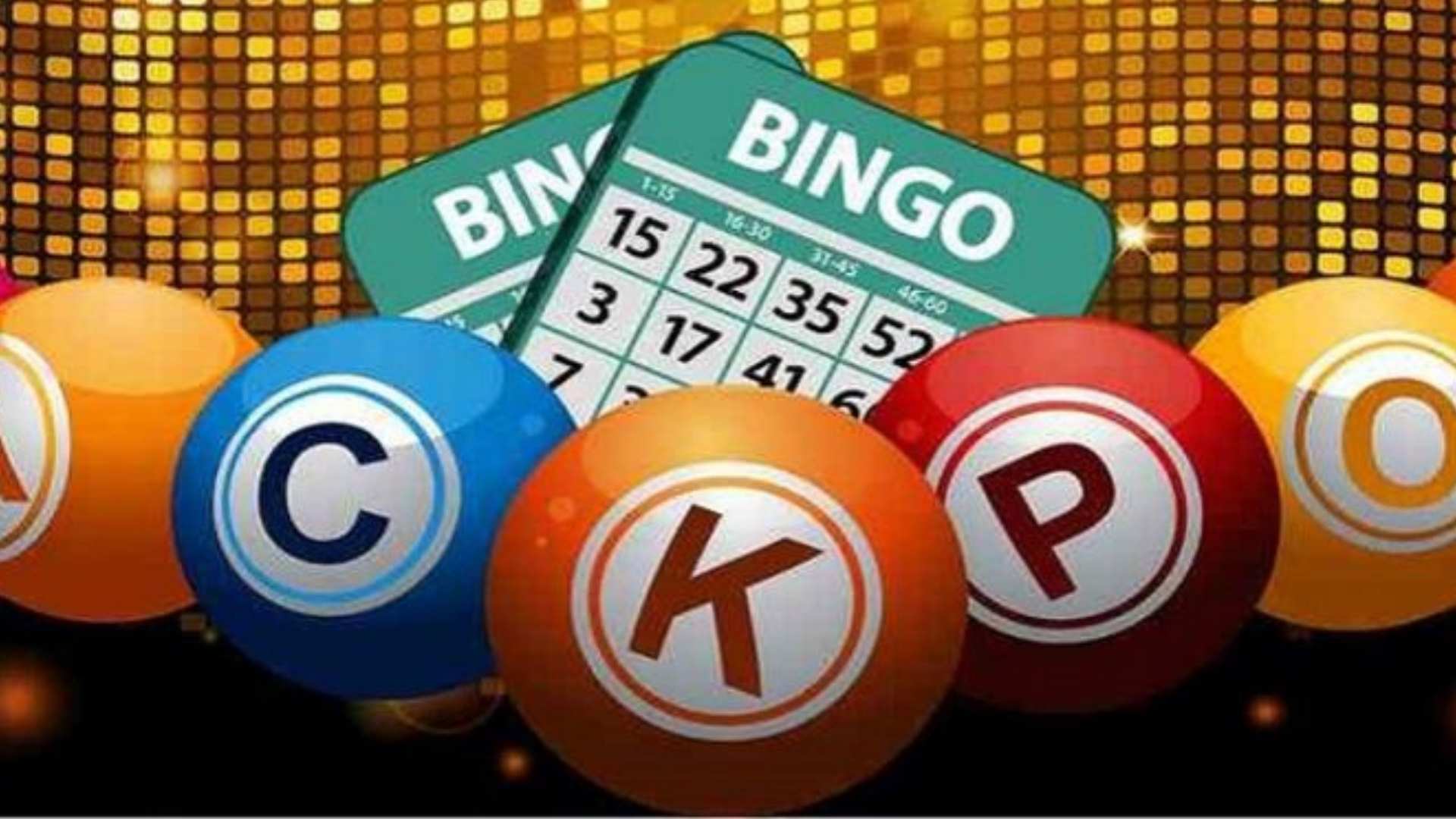
The foundation of any keno event relies on a standard pool of eighty numbered balls. During a typical session, the system randomly selects twenty winning numbers through a certified generator or mechanical draw. Players attempt to predict these outcomes by marking specific spots on their entry forms beforehand.
Payout structures depend directly on how many selections you choose to play and how many matches occur. Testing your luck in these daily environments provides a consistent schedule that fits easily into modern entertainment routines. Learning the basic odds helps establish a grounded approach to each session.
The Routine of Daily Selection
Participating in regular draws requires an understanding of the specific timelines established by your chosen platform. Many digital hubs host multiple events throughout the single day, ensuring that action is always readily available. Reviewing the platform schedule prevents missing out on active periods.
When exploring reliable gaming platforms, checking out the M88 Mansion updates can offer insights into popular draw formats. Modern systems display the winning numbers immediately following the completion of the random selection process. This transparency allows players to verify their results quickly and move on to subsequent rounds.
Managing Your Strategy and Expectations
Since every single event depends entirely on random number generation, historical outcomes do not influence future results. Developing a sustainable budget remains the most effective strategy for enjoying long-term success. It is vital to treat these quick events as pure entertainment rather than predictable patterns.
Deciding between manual number entry and automated quick picks represents a common choice for regular participants. Both options share the exact same mathematical probability of matching the drawn outcomes. Ultimately, maintaining a balanced viewpoint ensures that the daily routine remains fun and responsible.
The Best Opening Moves in Rummy Tournaments ...
Navigating the opening rounds of a highly competitive card event requires more than just luck and a decent starting hand. In rummy tournaments, your very first decisions set the tone for the entire match, influencing how opponents perceive your skill level and strategy. Mastering these initial sequences allows you to gain an early advantage and control the tempo of the table from the first discard.
Evaluating Your Starting Hand
Before making any physical moves on the table, a thorough mental evaluation of your dealt cards is absolutely essential. You must immediately identify potential matching sequences and determine if you have a viable path toward a pure run. Assessing your hand early helps you decide whether to play aggressively or prepare for a strategic early drop to minimize point loss.
Experienced players often look for high-value cards that do not easily connect to existing combinations in their hand. Getting rid of these high-point cards early prevents massive penalties if an opponent declares a quick victory. Planning your progression based on this initial assessment is the hallmark of a disciplined and successful tournament competitor.
Prioritizing the Pure Sequence
The single most important objective in the opening turns of any rummy game is establishing a pure sequence. Without this consecutive run of cards in the same suit, any other melds you create will remain invalid upon declaration. Therefore, your early draws should focus almost entirely on securing this critical foundation.
If you are looking to practice these fundamental opening tactics in a highly competitive digital environment, exploring the M88 Mansion platform offers an excellent arena to test your skills against top-tier players. Prioritizing your pure sequence before attempting complex sets ensures that you are always protected against maximum point penalties. This conservative yet powerful opening strategy keeps you in the game longer during multi-round events.
Decoding the Discard Pile
Another crucial opening move involves observing the first card discarded by the dealer or the player immediately preceding you. Drawing from the open discard pile should only be done if it directly completes a sequence or a high-value set. Picking up a card from the open pile reveals your tactical intentions to alert opponents who are watching your moves closely.
Conversely, drawing from the closed deck keeps your strategy hidden and keeps your rivals guessing about your hand structure. Pay close attention to what other players discard during these initial turns to map out which cards are safe to throw away. This careful observation during the first few rounds prevents you from feeding your opponents the exact cards they need to win.
Sorting and Arranging Cards Strategically
How you physically or digitally arrange your cards during the first round can significantly impact your decision-making speed. Grouping your cards by alternating colors helps prevent accidental discards and visual confusion during fast-paced tournament matches. It also allows you to quickly spot potential wildcards or jokers that can be integrated into impure sequences.
As the timer ticks down, having a clean and organized hand layout reduces cognitive load and allows you to focus on opponent behavior. Consistently applying this simple organizational habit during your opening turn minimizes costly technical errors. Ultimately, a well-sorted hand leads to faster calculations and much smarter tactical choices under intense tournament pressure.

Wheel of Fortune Tips for Smarter Decision Making ...
Stepping up to the Wheel of Fortune requires more than just hoping for a lucky spin of the wheel. To truly excel, players must learn how to weigh risks and make calculated choices under pressure. Developing a sharp decision-making process can quickly turn unpredictable rounds into consistent opportunities for success.
Assess the Board Before You Act
One of the most common errors beginners make is acting too quickly without studying the current puzzle layout. Taking a moment to analyze the revealed letters helps you identify common linguistic patterns and vowel connections. This careful observation ensures you do not waste a turn on low-probability guesses.
Additionally, keeping track of the letters that have already been called is crucial for maintaining your momentum. Missing a simple duplicate or guessing a discarded letter can instantly hand the advantage over to your opponents. By staying alert, you can make smarter guesses and build a solid foundation for the rounds ahead.
Balance Risk and Reward on the Wheel
Every spin of the wheel introduces a unique balance between accumulating wealth and risking a bankrupt penalty. When you have already built a substantial lead, spinning unnecessarily can put your hard-earned progress in serious jeopardy. Learning when to solve the puzzle rather than pushing your luck is a vital decision-making skill.
Experienced players often practice these vital analytical tactics across a variety of online formats to build confidence. Engaging with trusted gaming hubs like M88 Mansion allows enthusiasts to study diverse prize structures in a safe environment. Developing your skills in these settings helps you remain calm when navigating high-stakes situations in real time.
Strategize Your Vowel and Consonant Choices
Managing your resources wisely is a cornerstone of intelligent play when tackling difficult word boards. While buying vowels costs a portion of your current bankroll, it serves as the ultimate tool for unlocking complex words. Spending a small sum early on can clarify the entire board and prevent costly mistakes.
When it comes to consonants, prioritizing high-frequency letters like T, S, R, and N is always the safest path. These common letters give you the highest probability of revealing multiple spaces at once. Once the general outline of the puzzle is clear, you can confidently transition to solving the round.
Master the Art of Patience
Patience is frequently the deciding factor between a casual player and a truly strategic competitor. Watching how your opponents react to different segments of the wheel can reveal crucial clues about their own word theories. Use their turns to quietly test your own hypotheses and prepare your next move.
Even when a spin does not go your way, keeping an even temper prevents panic from ruining your next turn. Embracing the unpredictable nature of the game helps you adapt your strategy dynamically as circumstances shift. With steady practice and disciplined choices, you will find yourself mastering the game one spin at a time.
Protect Your Accumulated Wins
Securing your earnings is just as important as generating them during the peak moments of the game. Many players lose their momentum by focusing entirely on maximum points rather than completing the puzzle safely. Taking a conservative approach near the end of a round ensures that you walk away with your rewards intact.
By treating each round as a step toward a larger goal, you can build a stable and resilient play style. Learning to walk away with small, consistent gains ultimately paves the way for satisfying long-term outcomes. Implementing these structured decision-making habits will elevate your play and make every session highly enjoyable.

Exploring Seasonal Mystery Box Collections ...
The changing seasons bring a natural shift in consumer preferences, inspiring retail brands to introduce creative ways to celebrate these transitions. One of the most engaging trends in modern commerce is the rise of seasonal mystery box collections, which offer curated items tailored to specific times of the year. By blending the element of surprise with timely, relevant products, these limited-edition releases have transformed how people shop for holidays and seasonal milestones.
The Appeal of Time-Sensitive Curation
Seasonal mystery boxes succeed because they align perfectly with the immediate needs and moods of consumers. A winter-themed package might feature cozy textiles and warm beverage samples, while a summer edition focuses on outdoor essentials and refreshing skincare. This thoughtful alignment ensures that buyers receive useful products they can enjoy right away.
Furthermore, the temporary availability of these collections creates a strong sense of excitement and exclusivity. Knowing that a spring curation will not be available once summer arrives encourages enthusiasts to participate before the window closes. This dynamic turns routine seasonal shopping into an engaging and highly anticipated event.
Enhancing Holiday Gifting Traditions
Finding the perfect gift during major holidays can often become a stressful task for many shoppers. Seasonal mystery box collections simplify this process by offering beautifully packaged, ready-to-gift assortments that appeal to diverse interests. They remove the guesswork from gifting while still maintaining a genuine element of surprise for the recipient.
Many families and friend groups are incorporating these curated packages into their annual celebration rituals. Much like exploring interactive entertainment hubs like M88 Mansion to discover new games, unboxing a holiday package provides shared moments of fun and anticipation. The collective experience of revealing hidden treasures adds a memorable layer of joy to festive gatherings.
Value and Smart Consumer Strategies
While the thrill of the unknown is a major draw, smart buyers should evaluate seasonal packages based on overall value and utility. Reputable brands often guarantee that the total retail value of the enclosed goods exceeds the initial purchase price. This makes the collections not only an exciting experience but also a cost-effective way to acquire premium seasonal items.
To ensure a satisfying purchase, consumers should check reviews of previous releases from the same seller to verify product quality. Understanding the general theme and potential item categories helps align expectations with the final contents. By taking these practical steps, shoppers can enjoy the novelty of seasonal surprises while making sound purchasing decisions.

Bridge Games and the Importance of Teamwork ...
Contract bridge stands out in the world of card games as a true test of intellectual synergy and mutual reliance. Unlike individual pursuits, this complex game pairs two players together who must operate as a single cohesive unit to defeat their opponents. Developing a deep understanding of your partner is essential for achieving long-term success and mastering the mental challenges of the table.
The Foundations of Partnership Communication
The bidding phase serves as the critical communication channel through which partners describe their hand strengths and card distributions. Since players are forbidden from sharing direct clues, they must rely on an intricate vocabulary of bids to exchange vital details. Establishing a harmonious bidding language ensures that both partners remain aligned on their eventual game goals.
In addition to strict rules, cultivating mutual trust allows players to accurately interpret subtle defensive signals during active gameplay. Just as players of modern interactive setups might test their coordination using a game stick m88, bridge competitors rely on standardized card signals to predict their partner's remaining resources. When partners share a unified tactical system, they can navigate tricky situations with absolute confidence.
Developing Psychological Resilience Together
A major aspect of bridge success lies in how a partnership handles inevitable mistakes and unexpected distributions. Since the game is highly competitive, experiencing a set contract or a failed bid can easily introduce frustration to the table. Successful pairs maintain an encouraging environment, ensuring that a single misplay does not compromise their focus for subsequent rounds.
Working through challenges constructively builds a stronger emotional connection that enhances overall logical performance. Experienced players understand that assigning blame during a live match only serves to benefit the opposing team. By viewing every error as a shared learning experience, partners can maintain a steady mindset under intense pressure.
The Long-Term Benefits of Shared Strategy
Investing time in regular practice sessions helps partners recognize complex card patterns and coordinate defensive plays automatically. Analyzing historical hands together is an incredibly effective method for identifying areas of tactical improvement. Over time, this shared dedication transforms individual analytical skills into a formidable team strategy.
Ultimately, the beauty of contract bridge lies in the deep satisfaction of executing a flawless plan alongside a trusted companion. While individual card skills are important, it is the strength of the cooperative bond that truly wins tournaments. Emphasizing communication and empathy will elevate your game and make every victory much more rewarding.
Easy Poker Variants for First Time Players ...
Stepping into the world of card games can feel overwhelming due to the complex rules and intense betting structures found in competitive formats. Fortunately, several beginner-friendly options allow newcomers to grasp hand rankings and basic table dynamics without extreme pressure. Starting with simpler versions builds the necessary confidence and strategic foundation before moving on to advanced variations.
The Simplicity of Five Card Draw
Five Card Draw is widely considered the most straightforward variation of the game, making it an ideal starting point for absolute beginners. Each player receives five private cards, and a round of betting takes place based on the initial strength of those hands. The mechanics are easy to memorize, allowing players to focus entirely on learning standard hand values.
After the first betting round, participants can choose to discard unwanted cards and receive new ones from the dealer. This drawing phase introduces basic decision-making without the confusion of shared community cards or exposed values. It offers a pure introduction to standard hand rankings and fundamental bluffing concepts.
Texas Holdem as a Balanced Transition
While it features more moving parts than draw games, Texas Holdem remains highly accessible because of its structured layout and clear flow of play. Players receive two private cards, while five community cards are eventually dealt face-up in the center of the table. This configuration makes it easier for beginners to visualize potential card combinations and calculate their chances.
The betting rounds are clearly divided into the flop, turn, and river, which helps newcomers understand positional advantages step by step. Practicing on an entry-friendly platform like M88 Mansion provides an excellent environment to observe how communal boards interact with hidden hole cards. Learning this format also opens the door to the largest global gaming community.
Three Card Poker for Fast Action
For individuals who want to practice dealing with hand rankings without complex wagering rounds, Three Card Poker serves as a perfect alternative. Players simply compile the best possible three-card hand to go up against the dealer rather than competing against the entire table. This streamlined format removes the stress of reading multi-player bluffs and tracking complicated pot sizes.
Because the rules are so condensed, a single round concludes quickly, allowing novices to gain massive experience in a short period. The simplified ranking system modifies traditional rules slightly, as a straight beats a flush due to mathematical probabilities. This fast pace keeps gameplay engaging while reinforcing fundamental card dynamics safely.
Semua artikel sudah ditampilkan.