Poker Terminology For Confident Gameplay
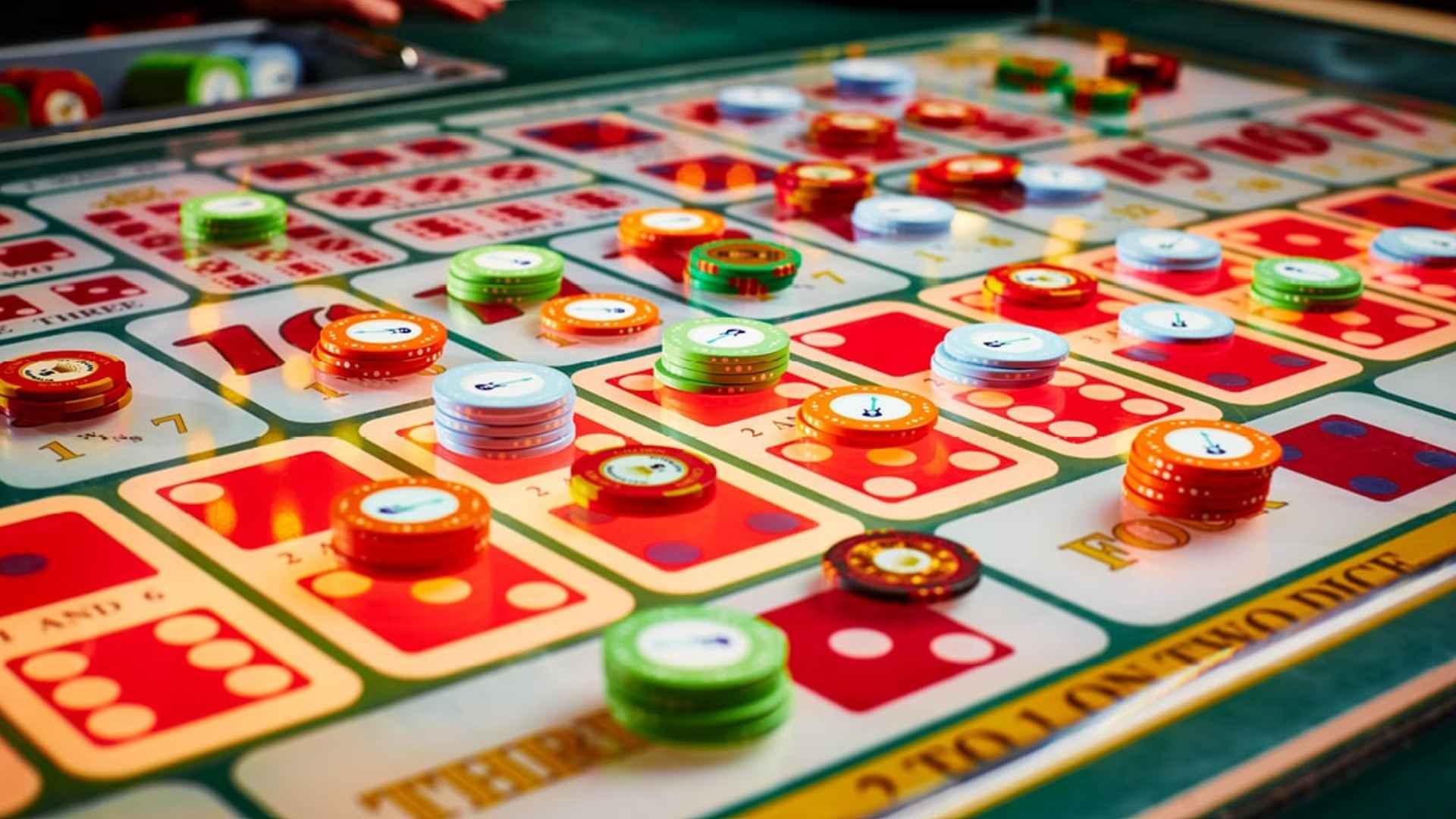
Stepping up to a live or online card table requires more than just a basic understanding of hand rankings. To execute your strategy with complete confidence, you must master the specialized language used by experienced players during a match. This guide explores essential terms that will help you articulate your decisions and read table dynamics effectively.
The Language of Betting Rounds
Every hand progresses through structured betting intervals where specific actions define your position and intent. When you decide to check, you pass the action to the next person without adding chips to the pot, provided no prior bet exists. Conversely, making a raise means you are increasing the current wager, forcing others to match your commitment or forfeit their cards.
Understanding these options allows you to control the tempo of the game and project strength. If the pressure from your opponents becomes too intense or your cards offer no long-term value, you can always choose to fold. Forfeiting your hand ensures you protect your remaining chip stack for a more profitable opportunity down the road.
Deciphering Table Mechanics and Positions
Your physical or virtual seat at the table dictates how much information you gather before acting during a round. The dealer button shifts clockwise after each hand, determining who must post the mandatory forced wagers known as blinds. Acting last in a betting round gives you a distinct analytical advantage over opponents who must declare their intentions first.
When studying these positional nuances, utilizing reliable gaming platforms can dramatically shorten your learning curve. Spending time reviewing resources on an established platform like M88 Mansion can help you visualize how table dynamics shift from early to late position. Developing this spatial awareness ensures you make calculated moves based on your opponents' vulnerabilities.
Advanced Strategic Concepts and Behavioral Tells
True table confidence comes from recognizing advanced strategic plays and the psychological factors influencing human behavior. A semi-bluff occurs when you bet aggressively with a drawing hand that is currently weak but has a strong mathematical potential to improve. This tactical maneuver provides two paths to victory, either by forcing folds immediately or making the best hand on later streets.
It is equally critical to manage your emotional response when the mathematical odds do not fall in your favor. A bad beat describes a frustrating scenario where a highly favored hand loses to an opponent who hits an unlikely card at the very end. Recognizing that variance is an inherent part of the experience allows competitive minds to remain focused and disciplined throughout long sessions.